
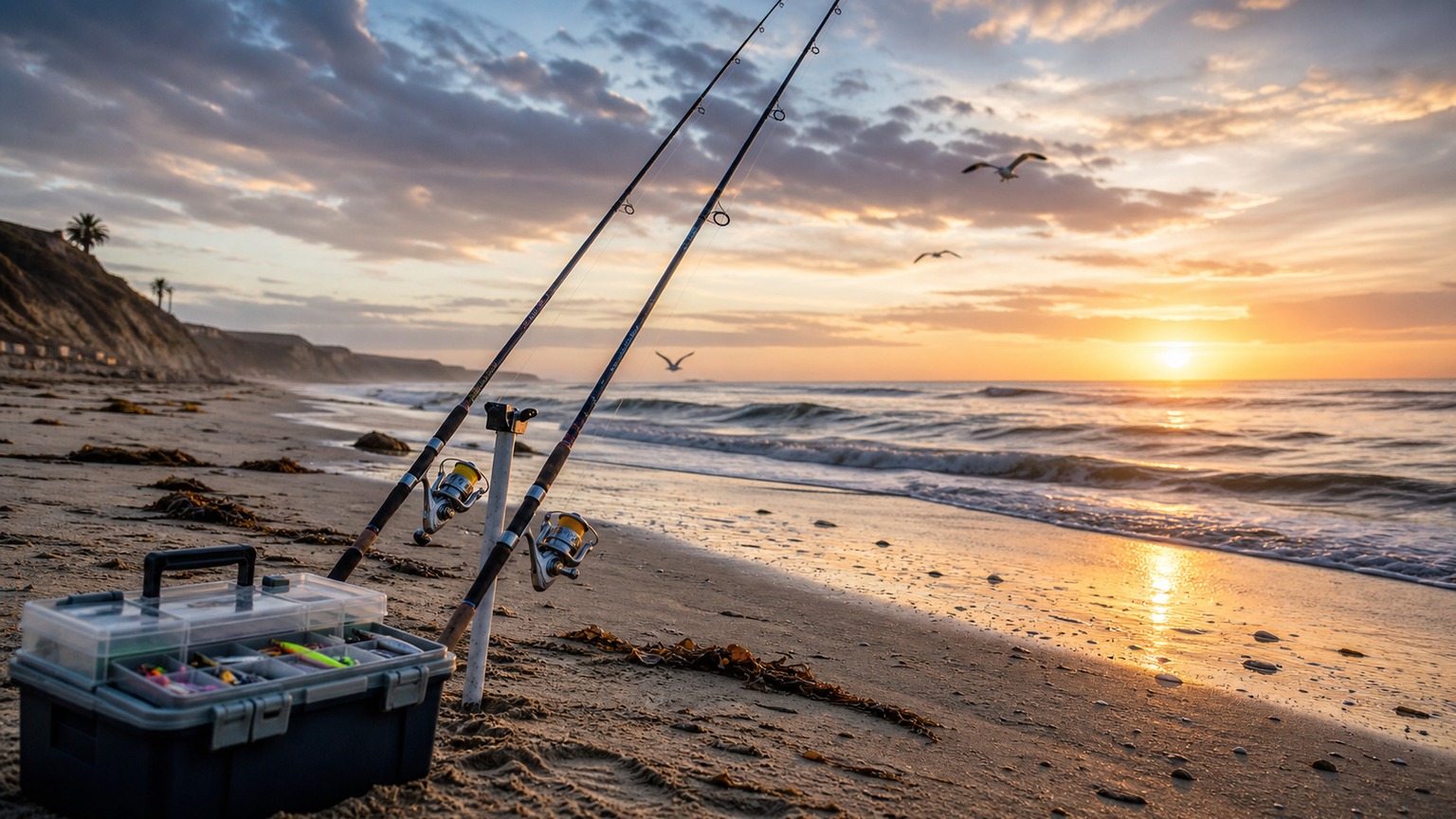
Expert Tips for Fishing Coastal Fishing Zones is more than a search-friendly phrase; it is a practical fishing question. Anglers want to know what matters first, what can wait, and how to make a better decision before the day gets away from them. This Fishing Streets guide approaches coastal fishing zones through beginner confidence, giving you a clear way to think, prepare, and adjust when the water refuses to follow a perfect plan.
A: It gives anglers a clearer way to judge coastal fishing zones, conditions, timing, and the next practical move.
A: It gives anglers a clearer way to judge coastal fishing zones, conditions, timing, and the next practical move.
A: It gives anglers a clearer way to judge coastal fishing zones, conditions, timing, and the next practical move.
A: It gives anglers a clearer way to judge coastal fishing zones, conditions, timing, and the next practical move.
A: It gives anglers a clearer way to judge coastal fishing zones, conditions, timing, and the next practical move.
A: It gives anglers a clearer way to judge coastal fishing zones, conditions, timing, and the next practical move.
A: It gives anglers a clearer way to judge coastal fishing zones, conditions, timing, and the next practical move.
A: It gives anglers a clearer way to judge coastal fishing zones, conditions, timing, and the next practical move.
A: It gives anglers a clearer way to judge coastal fishing zones, conditions, timing, and the next practical move.
A: It gives anglers a clearer way to judge coastal fishing zones, conditions, timing, and the next practical move.
Start With the Real Goal Behind Expert Tips for Fishing Coastal Fishing Zones
The practical value of expert Tips for Fishing Coastal Fishing Zones starts with observation, not guesswork. That approach keeps the article useful for new anglers while still giving experienced readers a way to sharpen their process. Over time, those choices compound into more productive and more enjoyable trips.
For many anglers, coastal fishing zones becomes easier when the decision is broken into conditions, timing, and intent. It also helps separate internet noise from details that actually change results during a real fishing day. The result is a style of fishing that is easier to repeat and easier to improve.
A strong plan for expert Tips for Fishing Coastal Fishing Zones should feel simple enough to use at the water, but detailed enough to prevent wasted effort. Instead of chasing every possible option, choose the few signals that match the water in front of you. This is where Fishing Streets readers can turn broad advice into water-level action.
The best anglers rarely treat coastal fishing zones as a single trick; they read the whole situation before committing. The goal is not to memorize rules; it is to build a repeatable way to make better calls when conditions shift. Used this way, fish behavior becomes a working habit rather than a loose idea.
Read the Conditions Before You Commit
When beginner confidence is the main lens, small choices begin to matter more than dramatic changes. Look at access, weather, water clarity, pressure, fish movement, and the limits of your own gear before you decide what to do next. That is what turns preparation into calmer decisions and, often, better catches.
The practical value of expert Tips for Fishing Coastal Fishing Zones starts with observation, not guesswork. That approach keeps the article useful for new anglers while still giving experienced readers a way to sharpen their process. Over time, those choices compound into more productive and more enjoyable trips.
For many anglers, coastal fishing zones becomes easier when the decision is broken into conditions, timing, and intent. It also helps separate internet noise from details that actually change results during a real fishing day. The result is a style of fishing that is easier to repeat and easier to improve.
A strong plan for expert Tips for Fishing Coastal Fishing Zones should feel simple enough to use at the water, but detailed enough to prevent wasted effort. Instead of chasing every possible option, choose the few signals that match the water in front of you. This is where Fishing Streets readers can turn broad advice into water-level action.
Build a Simple Plan Around Coastal Fishing Zones
The best anglers rarely treat coastal fishing zones as a single trick; they read the whole situation before committing. The goal is not to memorize rules; it is to build a repeatable way to make better calls when conditions shift. Used this way, water reading becomes a working habit rather than a loose idea.
When beginner confidence is the main lens, small choices begin to matter more than dramatic changes. Look at access, weather, water clarity, pressure, fish movement, and the limits of your own gear before you decide what to do next. That is what turns preparation into calmer decisions and, often, better catches.
The practical value of expert Tips for Fishing Coastal Fishing Zones starts with observation, not guesswork. That approach keeps the article useful for new anglers while still giving experienced readers a way to sharpen their process. Over time, those choices compound into more productive and more enjoyable trips.
For many anglers, coastal fishing zones becomes easier when the decision is broken into conditions, timing, and intent. It also helps separate internet noise from details that actually change results during a real fishing day. The result is a style of fishing that is easier to repeat and easier to improve.
Match Gear, Timing, and Expectations
A strong plan for expert Tips for Fishing Coastal Fishing Zones should feel simple enough to use at the water, but detailed enough to prevent wasted effort. Instead of chasing every possible option, choose the few signals that match the water in front of you. This is where Fishing Streets readers can turn broad advice into water-level action.
The best anglers rarely treat coastal fishing zones as a single trick; they read the whole situation before committing. The goal is not to memorize rules; it is to build a repeatable way to make better calls when conditions shift. Used this way, access strategy becomes a working habit rather than a loose idea.
When beginner confidence is the main lens, small choices begin to matter more than dramatic changes. Look at access, weather, water clarity, pressure, fish movement, and the limits of your own gear before you decide what to do next. That is what turns preparation into calmer decisions and, often, better catches.
The practical value of expert Tips for Fishing Coastal Fishing Zones starts with observation, not guesswork. That approach keeps the article useful for new anglers while still giving experienced readers a way to sharpen their process. Over time, those choices compound into more productive and more enjoyable trips.
Avoid the Mistakes That Quietly Ruin Good Fishing Days
For many anglers, coastal fishing zones becomes easier when the decision is broken into conditions, timing, and intent. It also helps separate internet noise from details that actually change results during a real fishing day. The result is a style of fishing that is easier to repeat and easier to improve.
A strong plan for expert Tips for Fishing Coastal Fishing Zones should feel simple enough to use at the water, but detailed enough to prevent wasted effort. Instead of chasing every possible option, choose the few signals that match the water in front of you. This is where Fishing Streets readers can turn broad advice into water-level action.
The best anglers rarely treat coastal fishing zones as a single trick; they read the whole situation before committing. The goal is not to memorize rules; it is to build a repeatable way to make better calls when conditions shift. Used this way, seasonal judgment becomes a working habit rather than a loose idea.
When beginner confidence is the main lens, small choices begin to matter more than dramatic changes. Look at access, weather, water clarity, pressure, fish movement, and the limits of your own gear before you decide what to do next. That is what turns preparation into calmer decisions and, often, better catches.
Turn the Lesson Into a Repeatable Fishing Habit
The practical value of expert Tips for Fishing Coastal Fishing Zones starts with observation, not guesswork. That approach keeps the article useful for new anglers while still giving experienced readers a way to sharpen their process. Over time, those choices compound into more productive and more enjoyable trips.
For many anglers, coastal fishing zones becomes easier when the decision is broken into conditions, timing, and intent. It also helps separate internet noise from details that actually change results during a real fishing day. The result is a style of fishing that is easier to repeat and easier to improve.
A strong plan for expert Tips for Fishing Coastal Fishing Zones should feel simple enough to use at the water, but detailed enough to prevent wasted effort. Instead of chasing every possible option, choose the few signals that match the water in front of you. This is where Fishing Streets readers can turn broad advice into water-level action.
The best anglers rarely treat coastal fishing zones as a single trick; they read the whole situation before committing. The goal is not to memorize rules; it is to build a repeatable way to make better calls when conditions shift. Used this way, planning becomes a working habit rather than a loose idea.
Final Thoughts for Fishing Streets Readers
When beginner confidence is the main lens, small choices begin to matter more than dramatic changes. Look at access, weather, water clarity, pressure, fish movement, and the limits of your own gear before you decide what to do next. That is what turns preparation into calmer decisions and, often, better catches.
The practical value of expert Tips for Fishing Coastal Fishing Zones starts with observation, not guesswork. That approach keeps the article useful for new anglers while still giving experienced readers a way to sharpen their process. Over time, those choices compound into more productive and more enjoyable trips.
For many anglers, coastal fishing zones becomes easier when the decision is broken into conditions, timing, and intent. It also helps separate internet noise from details that actually change results during a real fishing day. The result is a style of fishing that is easier to repeat and easier to improve.
The best anglers rarely treat coastal fishing zones as a single trick; they read the whole situation before committing. The goal is not to memorize rules; it is to build a repeatable way to make better calls when conditions shift. Used this way, late-stage adjustment becomes a working habit rather than a loose idea.
When beginner confidence is the main lens, small choices begin to matter more than dramatic changes. Look at access, weather, water clarity, pressure, fish movement, and the limits of your own gear before you decide what to do next. That is what turns preparation into calmer decisions and, often, better catches.
The practical value of expert Tips for Fishing Coastal Fishing Zones starts with observation, not guesswork. That approach keeps the article useful for new anglers while still giving experienced readers a way to sharpen their process. Over time, those choices compound into more productive and more enjoyable trips.
For many anglers, coastal fishing zones becomes easier when the decision is broken into conditions, timing, and intent. It also helps separate internet noise from details that actually change results during a real fishing day. The result is a style of fishing that is easier to repeat and easier to improve.
A strong plan for expert Tips for Fishing Coastal Fishing Zones should feel simple enough to use at the water, but detailed enough to prevent wasted effort. Instead of chasing every possible option, choose the few signals that match the water in front of you. This is where Fishing Streets readers can turn broad advice into water-level action.
The best anglers rarely treat coastal fishing zones as a single trick; they read the whole situation before committing. The goal is not to memorize rules; it is to build a repeatable way to make better calls when conditions shift. Used this way, late-stage adjustment becomes a working habit rather than a loose idea.